Table of Content
- How to prevent stroke?
- EXERCISE REGULARLY
- EAT A HEALTHY DIET
- AVOID SMOKING
- MONITOR YOUR BLOOD PRESSURE
- What happens in the brain during a stroke
How to prevent stroke?
EXERCISE REGULARLY:
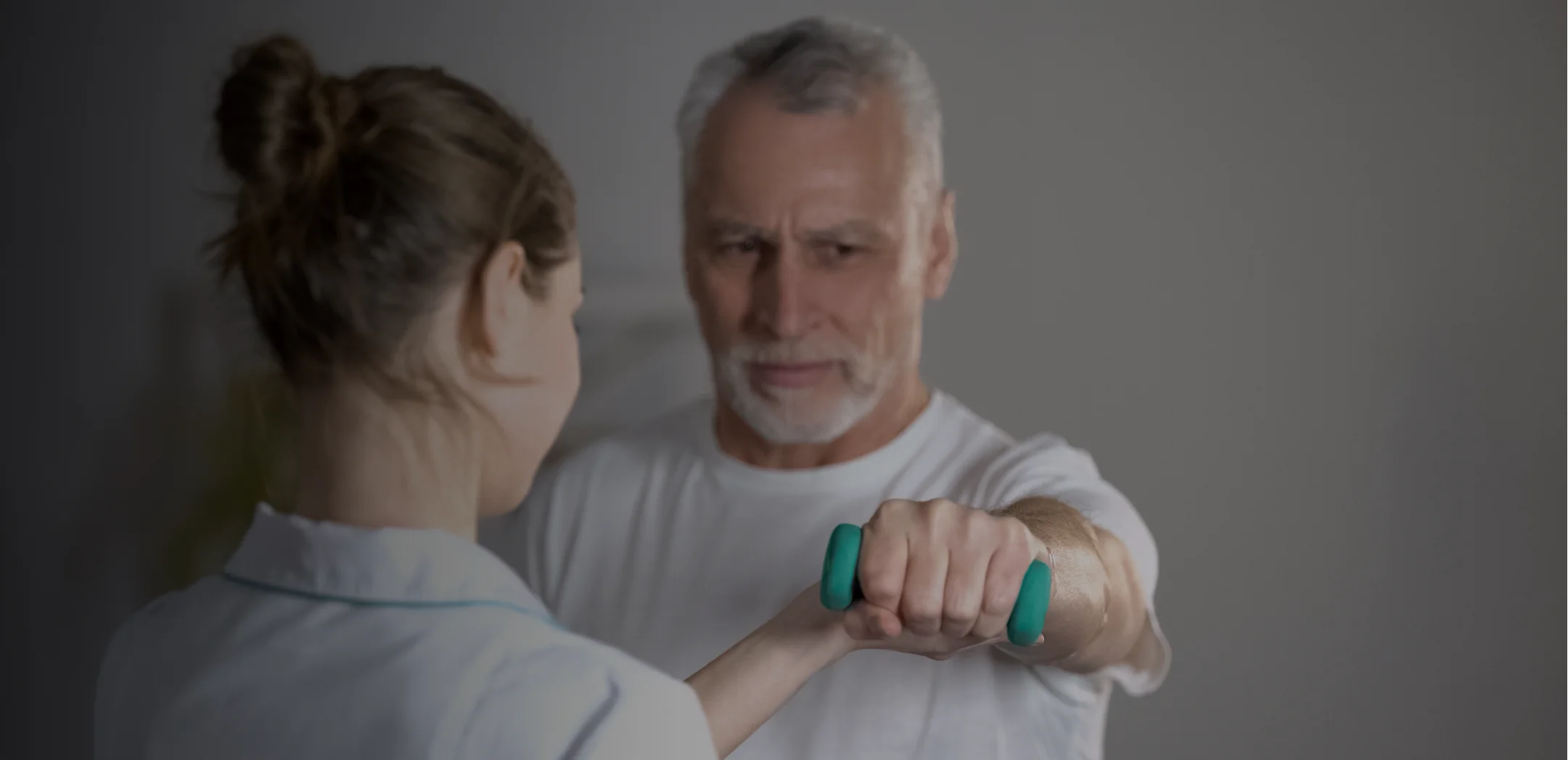
Regular physical activity helps to lower your risk of stroke by improving your circulation and reducing your risk of high blood pressure, diabetes, and high cholesterol. A healthy individual must do at least 30 minutes to an hour of moderate exercise every day, without fail.
EAT A HEALTHY DIET:
Eating a diet that is rich in fruits, vegetables, and whole grains and low in processed and fatty foods can help lower your risk of stroke.
AVOID SMOKING:
Smoking can have serious health consequences, which may include an increased risk of an ischemic stroke. This is due to the damage that smoke can cause to blood vessels and the increase in blood pressure that it can cause. If you are currently a smoker, it is important to make a plan to quit in order to reduce your risk of stroke and improve your overall health.
MONITOR YOUR BLOOD PRESSURE:
It is well established that high blood pressure is the number one risk factor for stroke. If you want to stay in good health, it is essential to monitor your blood pressure levels and take the necessary and proactive steps to maintain your blood pressure in a healthy range. This can prove to be the most effective method for stroke prevention.
What happens in the brain during a stroke?
A stroke is a medical emergency that takes place when the blood supply to the brain is disrupted or decreased, cutting off the vital supply of oxygen and nutrients and causing the brain cells to die within minutes. The aftermath of a stroke can result in grave long-term complications. Damage to the brain’s language centre, for example, can cause difficulties with both understanding and speaking.
Damage to the movement-control centre in the brain can cause paralysis or loss of coordination. A stroke can also affect the brain’s ability to think and reason. Memory, judgement, problem-solving, and other cognitive abilities can be affected.
In some cases, a stroke can cause personality changes, difficulty controlling emotions, and depression. In more severe cases, a stroke can lead to coma or death. Prompt medical attention is essential to reducing the risk of serious or irreversible complications, such as long-term disability or death.
Leave a Reply